

Economic fluctuations are as inevitable as the changing of seasons. While many individuals can recall periods of prosperity, they also remember the unexpected downturns that caught many off guard. Such uncertainties can have devastating effects on those who are unprepared. In the realm of personal finance, preparing for the unpredictable is not just prudent; it’s a necessity. This post aims to guide readers through actionable steps to ensure that they’re not just surviving, but thriving, no matter the economic climate.
Understanding Economic Cycles

Economies inherently move in cycles, characterized by intervals of growth followed by recessions. These patterns, while not always predictable in their timing or intensity, have been a consistent feature of global economies. Recognizing these patterns isn’t about predicting the next downturn. Instead, it’s about understanding that economies have their ebbs and flows. By appreciating this natural rhythm, individuals can make informed decisions, ensuring that they’re not caught off-guard by sudden economic changes.
With this understanding, preparation becomes more intuitive. While periods of growth offer opportunities for investment and expansion, they are also the best times to save and plan for the less prosperous phases. During economic booms, it might be tempting to ride the wave and make aggressive financial moves. However, it’s essential to remember that what goes up must come down. Taking a balanced approach during growth phases can provide a solid foundation for the challenges that might come during economic downturns.
Building An Emergency Fund
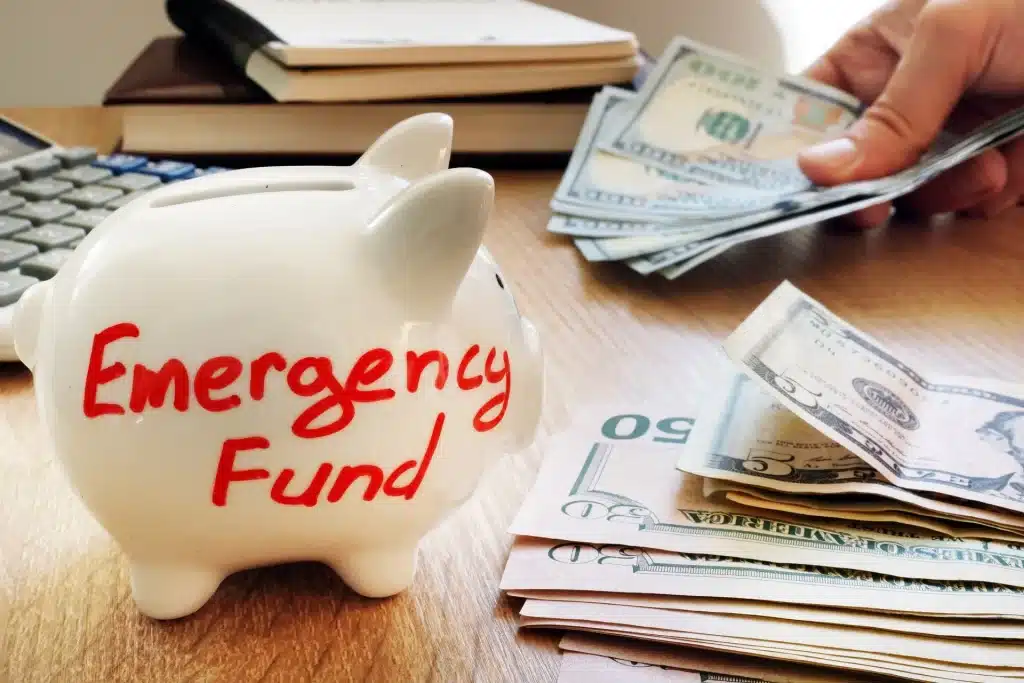
The importance of an emergency fund cannot be overstated. This financial cushion is akin to a lifeboat during turbulent times. Economic downturns can bring with them job losses, reduced income, or unexpected expenses. An emergency fund ensures that these unforeseen challenges don’t turn into crippling financial crises.
Determining how much to save in an emergency fund varies by individual circumstances. However, a common recommendation is to have three to six months’ worth of living expenses saved up. This fund shouldn’t be tucked into risky investments but should be easily accessible, like in a savings account. It’s a safeguard, not a wealth-building tool. As life situations change, such as the addition of family members or increased monthly expenses, it’s crucial to revisit and adjust the size of this fund accordingly.
Diversifying Investments

Diversifying investments is a tried-and-true method to minimize risk, especially during uncertain economic times. The basic idea is simple: by spreading money across various asset classes and investment avenues, the potential negative impact of one underperforming asset can be offset by others performing well. It’s akin to not putting all eggs in one basket; if one drops, not everything is lost.
There are numerous platforms and tools available today that make diversification more accessible than ever. From traditional stocks and bonds to newer options like cryptocurrency and peer-to-peer lending, investors have a wide array of choices. The key is research and understanding. Before diving into any investment, it’s crucial to understand its nature, risks, and potential returns. Combining low-risk assets with those that might be more volatile creates a balanced portfolio that can weather economic ups and downs.
Reducing Debt Load

Debt, especially high-interest debt, can be a significant burden during economic downturns. Monthly obligations can strain budgets, leaving little room for essentials, let alone savings or investments. When the economy contracts, having a significant debt load can make it harder to adjust to reduced incomes or unexpected expenses, increasing financial stress.
There are several strategies to reduce debt efficiently. One effective method is the “avalanche” approach, focusing on paying off the highest interest debts first while maintaining minimum payments on others. Another is the “snowball” method, which prioritizes smaller debts to create a psychological boost from quick wins. Regardless of the chosen method, the goal remains the same: to reduce and eventually eliminate debt, creating a healthier financial profile. By doing this, one positions themselves better to handle future economic challenges with more agility and fewer obligations.