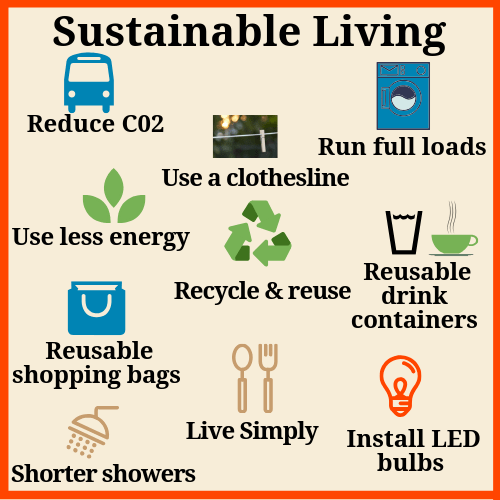
Sustainable living often conjures images of costly investments like solar panels or high-end organic products. However, adopting an eco-friendly lifestyle doesn’t necessarily require a hefty budget. This post delves into practical ways to embrace sustainability without straining finances. From food choices to energy savings, it’s possible to make impactful changes that benefit both the planet and personal savings. The journey towards a greener life is not just for the affluent; it’s an accessible path for everyone who wants to make a difference.
Contents
Understanding Sustainable Living

Sustainable living involves making choices that minimize environmental impact and promote a healthier planet. It’s about understanding the interconnectedness between daily actions and their long-term effects on the environment. This lifestyle emphasizes conservation, reducing waste, and opting for renewable resources. It’s a commitment to living in a way that supports the Earth’s ecosystems, ensuring resources are available for future generations. By adopting sustainable practices, individuals contribute to a larger movement that seeks to balance human needs with environmental stewardship.
A common belief is that sustainable living is synonymous with higher expenses. However, this is a misconception. Many eco-friendly practices are not only cost-effective but can lead to significant savings over time. For example, reducing energy consumption or minimizing waste can lower monthly bills. Moreover, sustainable living encourages a mindset of mindful consumption, where quality and longevity of products are valued over quantity. This shift in perspective often leads to more thoughtful spending, avoiding unnecessary purchases, and thus saving money.
Budget-Friendly Sustainable Food Choices
Shopping for food sustainably while on a budget starts with focusing on local and seasonal produce. Purchasing fruits and vegetables that are in season not only ensures fresher, more flavorful food but often comes with a lower price tag. Additionally, supporting local farmers’ markets can contribute to the local economy and reduce the carbon footprint associated with long-distance food transport. Choosing to buy in bulk can also be cost-effective, reducing packaging waste and allowing for better budget control through purchasing only what is needed.
Food waste is a significant issue with both financial and environmental implications. By planning meals ahead of time and storing food properly, one can drastically reduce the amount of food thrown away. Incorporating plant-based meals into the diet is another effective strategy. Plant-based ingredients typically cost less than meat and are more sustainable, requiring fewer resources to produce. By making these small changes in food purchasing and consumption habits, individuals can enjoy a sustainable diet that aligns with their budget constraints.
Energy Efficiency At Home
Reducing energy consumption at home is a straightforward way to live more sustainably and save money. Simple actions like switching to LED light bulbs, which use less energy and have a longer lifespan than traditional bulbs, can make a noticeable difference in electricity bills. Additionally, investing in a smart thermostat can help manage heating and cooling more efficiently, reducing energy use without compromising comfort.
DIY home insulation projects are another cost-effective way to increase energy efficiency. Sealing gaps around doors and windows, for instance, can prevent heat loss during winter, reducing the need for excessive heating. Regular maintenance of appliances and heating systems also ensures they are running efficiently, further cutting down on energy consumption. These measures not only contribute to a more sustainable household but also lead to long-term savings on energy costs.
Eco-Friendly Transportation On A Budget
Opting for sustainable modes of transportation can significantly reduce one’s carbon footprint and save money. Public transportation, cycling, and carpooling are not only eco-friendly but also cost-effective alternatives to driving a personal vehicle. These options decrease reliance on fossil fuels and reduce traffic congestion. Public transportation, in particular, offers a reliable and affordable way to commute, while cycling provides health benefits alongside environmental ones.
Efficient vehicle maintenance and driving style can also contribute to sustainability and budget savings. Ensuring that a vehicle is well-maintained, with regular checks on tire pressure and engine performance, can improve fuel efficiency. Adopting a smoother driving style, avoiding rapid acceleration and harsh braking, also reduces fuel consumption. These practices not only lower emissions but also prolong the life of the vehicle, leading to savings on maintenance and fuel costs over time.
Sustainable Fashion Without Breaking The Bank
The fashion industry significantly impacts the environment, but sustainable fashion choices can help mitigate this. Instead of buying new clothes from fast fashion brands, one can opt for sustainable brands that use eco-friendly materials and ethical production methods. While these items might initially seem more expensive, their durability often means they last longer, providing better value for money in the long run. Additionally, second-hand shopping and clothing swaps are excellent ways to find unique pieces without contributing to the demand for new clothing production.
Upcycling old clothes is a creative and budget-friendly approach to sustainable fashion. By modifying or repurposing garments, one can give a new life to items that would otherwise be discarded. This not only reduces waste but also allows for personalized fashion expression. Hosting or attending clothing swap events can also be a fun and social way to refresh one’s wardrobe without purchasing new items, further promoting the idea of sustainable and responsible fashion consumption.
Reducing, Reusing, And Recycling Effectively
Minimizing waste is a core aspect of sustainable living, and conscious consumption plays a significant role in this. By choosing products with less packaging and opting for reusable items over single-use ones, one can drastically reduce their waste output. This not only conserves resources but also decreases the amount spent on disposable items. Effective recycling practices further support this effort, ensuring materials such as paper, glass, and plastic are properly processed and reused.
Creative reuse of everyday items can add a unique aspect to sustainable living. Repurposing jars as storage containers or turning old t-shirts into cleaning cloths are examples of how everyday items can have a second life. These practices not only reduce the need to buy new products but also foster a sense of creativity and resourcefulness. By adopting these habits, individuals can make significant strides in reducing their environmental footprint while managing their budget.
Green Gardening And Composting
Starting a small garden is an affordable way to contribute to sustainability. Growing one’s own vegetables and herbs can reduce the need for store-bought produce, which often comes with excessive packaging and a carbon footprint due to transportation. Gardening also provides a connection to the food source and can be a rewarding hobby. Even those with limited space can explore options like container gardening or community gardens.
Composting kitchen scraps is an effective method to reduce organic waste and create nutrient-rich soil for gardening. By composting items like fruit peels, coffee grounds, and eggshells, one can significantly decrease the amount of waste sent to landfills. This compost can then be used to enrich garden soil, promoting healthier plant growth without the need for chemical fertilizers. Composting is not only beneficial for the environment but also a practical way to improve garden yield without additional costs.
The Bottom Line
Sustainable living on a budget is not only possible but also practical. By adopting eco-friendly habits in various aspects of life, from food choices to transportation and fashion, one can significantly reduce their environmental impact while managing finances effectively. These small, consistent changes accumulate over time, leading to a more sustainable lifestyle that benefits both the planet and the individual. The journey towards a greener future is a collective effort, and every small step counts. It’s about making conscious choices that align with both ecological and financial well-being, proving that sustainability is an attainable goal for everyone.