Skip to content

Avoiding Common Pitfalls in Personal Finance

Managing personal finances effectively is a crucial aspect of life that many find challenging. From budgeting missteps to investment blunders, the landscape of financial management is fraught with potential pitfalls that can undermine one’s financial security and goals. This article aims to navigate these common financial mistakes, providing actionable advice and strategies to avoid them, ensuring readers are well-equipped to handle their finances confidently.

Not Having a Budget

Avoiding Common Pitfalls in Personal Finance

The cornerstone of sound financial management is a well-structured budget, yet many individuals navigate their financial lives without one. The absence of a budget can lead to unchecked spending, making it difficult to save for future goals or manage day-to-day expenses. Without a clear understanding of where money is going, individuals can quickly find themselves in financial distress, struggling to make ends meet or accumulating unnecessary debt.

However, creating and adhering to a budget can transform one’s financial picture. It involves tracking income and expenses, setting realistic spending limits, and adjusting habits to align with financial goals. A budget also serves as a financial roadmap, guiding decisions and highlighting areas where adjustments are needed. By prioritizing expenses and setting aside funds for savings and debt repayment, individuals can achieve a balanced financial life prepared for unexpected costs.

Neglecting an Emergency Fund

Avoiding Common Pitfalls in Personal Finance

An emergency fund is a financial safety net designed to cover unexpected expenses such as medical emergencies, job loss, or urgent home repairs. Unfortunately, many overlook the importance of such a fund until it’s too late, facing financial turmoil when unforeseen expenses arise. This lack of preparedness can force individuals into high-interest debt, further exacerbating their financial difficulties.

Establishing an emergency fund should be a priority, starting with a modest goal and gradually building to cover several months’ living expenses. This fund should be accessible yet separate from regular checking accounts to avoid temptation. Regular contributions, even in small amounts, can quickly accumulate, providing peace of mind and financial security when faced with unexpected challenges.

Falling into Debt Traps
Avoiding Common Pitfalls in Personal Finance

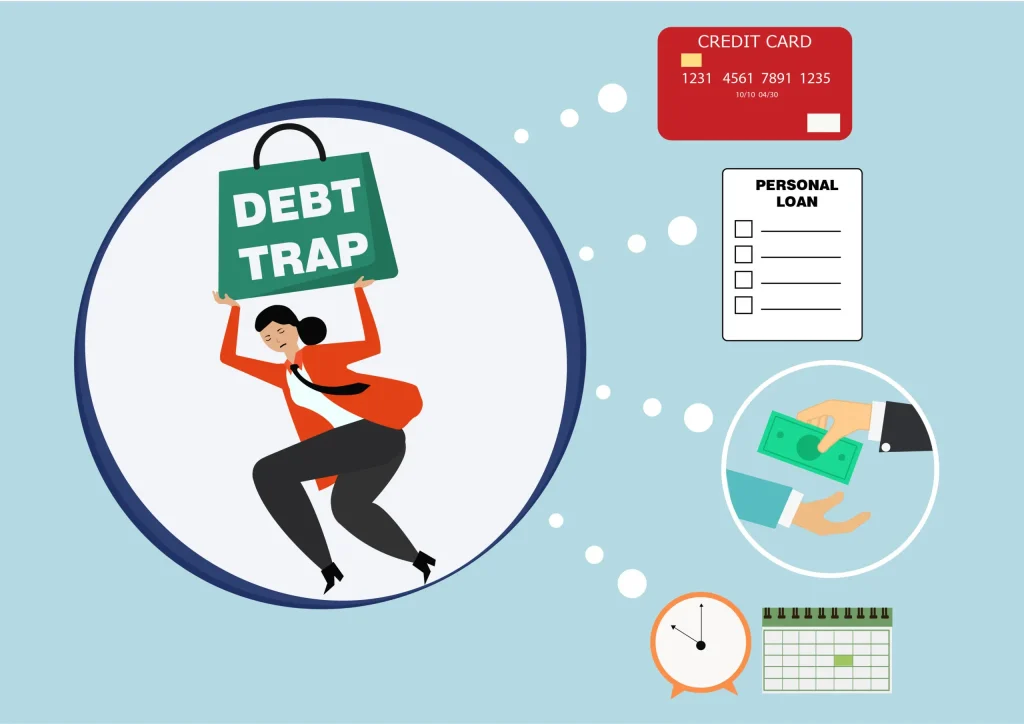
Debt is a double-edged sword; while it can facilitate major purchases and investments, it can also lead to financial ruin if not managed properly. High-interest credit cards, payday loans, and other high-cost debt can trap individuals in a cycle of repayment that hinders their ability to save and invest for the future. The allure of easy credit can lead to overspending, with the compounding interest turning manageable balances into insurmountable debts.

To avoid these traps, individuals should exercise caution with credit, prioritizing low-interest options and paying more than the minimum due each month. Understanding the terms of credit agreements, including interest rates and fees, is crucial. For those already in debt, strategies such as debt consolidation or the snowball method can provide a pathway out, freeing up resources for savings and investment.

Overlooking Insurance Needs

Avoiding Common Pitfalls in Personal Finance

Insurance is often viewed as an unnecessary expense until disaster strikes. Adequate insurance coverage, however, is essential in protecting against significant financial losses due to accidents, illness, or property damage. Underestimating the value of insurance can result in out-of-pocket expenses that could have been easily avoided, straining personal finances and derailing financial plans.

Choosing the right insurance policies requires carefully assessing one’s financial situation and potential risks. Health, life, and property insurance should be tailored to individual needs, providing adequate coverage without overpaying for unnecessary benefits. Regularly reviewing and adjusting coverage ensures that insurance keeps pace with changing life circumstances, offering protection when needed.

Investing Without Research

Avoiding Common Pitfalls in Personal Finance

Investing offers the potential for significant financial growth, but entering the market without adequate research can lead to costly mistakes. The allure of quick returns from trendy stocks or complex investment schemes can tempt individuals into making impulsive decisions, risking hard-earned money on poorly understood ventures. Such mistakes not only result in financial loss but can also deter future investment efforts.

A disciplined approach to investing involves thorough research, understanding one’s risk tolerance, and diversifying investments to spread risk. Seeking education on investment basics and consulting with financial advisors can provide valuable insights, helping individuals make informed decisions. Long-term investment strategies, focused on steady growth rather than speculative gains, tend to offer more reliable returns, contributing to financial stability and growth.

Neglecting Retirement Planning

Avoiding Common Pitfalls in Personal Finance

Many individuals delay retirement planning, underestimating the time and resources needed to secure a comfortable retirement. The illusion of ample time can lead to missed opportunities for compounding interest, significantly impacting the size of retirement savings. Without a clear plan, achieving financial independence in retirement becomes daunting, often resulting in the need to work longer or adjust to a lower standard of living.

Effective retirement planning starts with setting clear goals and understanding the various retirement savings options, such as 401(k) plans, IRAs, and other investment accounts. It’s essential to start saving early, taking advantage of compound interest and employer match programs, which can significantly boost retirement savings. Even if they start small, regular contributions can grow into substantial sums, providing the financial foundation needed for a secure retirement. Additionally, considering the impact of inflation and planning for healthcare costs in retirement are critical aspects of a comprehensive retirement strategy.

Failing to Review and Adjust Financial Plans

Avoiding Common Pitfalls in Personal Finance

A static financial plan is unlikely to meet an individual’s changing needs and circumstances. Major life events such as marriage, the birth of a child, career changes, or unexpected health issues necessitate adjustments to financial plans. Failure to regularly review and update financial strategies can result in missed opportunities, such as tax-saving strategies, investment adjustments, or necessary increases in insurance coverage.

Financial plan reviews should be conducted annually or after significant life events. This process involves reassessing financial goals, reviewing investment performance, and ensuring that savings and spending are aligned with current and future needs. Adjustments may include reallocating investments, increasing savings rates, or revising estate plans. Staying proactive and flexible with financial planning allows individuals to adapt to life’s changes, ensuring their financial goals remain achievable.

The Bottom Line

Navigating the complexities of personal finance requires awareness, discipline, and a proactive approach to managing money. By avoiding common pitfalls such as neglecting to budget, underestimating the importance of an emergency fund, falling into debt traps, overlooking insurance needs, making uninformed investment decisions, delaying retirement planning, and failing to regularly review financial plans, individuals can set themselves on a path to financial stability and success. It’s never too late to take control of your financial future, but it requires commitment and a willingness to learn and adjust as circumstances change. With the right strategies and a mindful approach to financial decision-making, achieving financial health and realizing your long-term goals is within reach.