
Bonds are a cornerstone of investment portfolios, offering a blend of stability and income potential that appeals to a wide range of investors. Understanding bonds is crucial for anyone looking to diversify their investment strategy and safeguard their financial future. This post embarks on a comprehensive exploration of the world of bonds, from the basics of what bonds are to the intricacies of investing in them. It will delve into the types of bonds available, the benefits and risks of bond investing, and practical advice on how to include bonds in your investment portfolio, providing a roadmap for both novice and experienced investors.
What Are Bonds?

Bonds represent loans made by investors to issuers, such as governments or corporations, which in turn promise to pay back the principal amount on a specified maturity date, along with interest payments at regular intervals. This makes bonds a type of fixed-income investment, where the investor essentially acts as a lender. The appeal of bonds lies in their ability to provide a predictable stream of income through interest payments, making them a favored option for income-seeking investors.
The bond market is vast and varied, with bonds issued by different entities, including governments (sovereign bonds), local municipalities (municipal bonds), and corporations (corporate bonds). Each type of bond carries its own set of characteristics and risk levels. For example, government bonds are generally considered safer than corporate bonds, reflecting the issuer’s creditworthiness and the likelihood of repaying the debt.
Types of Bonds
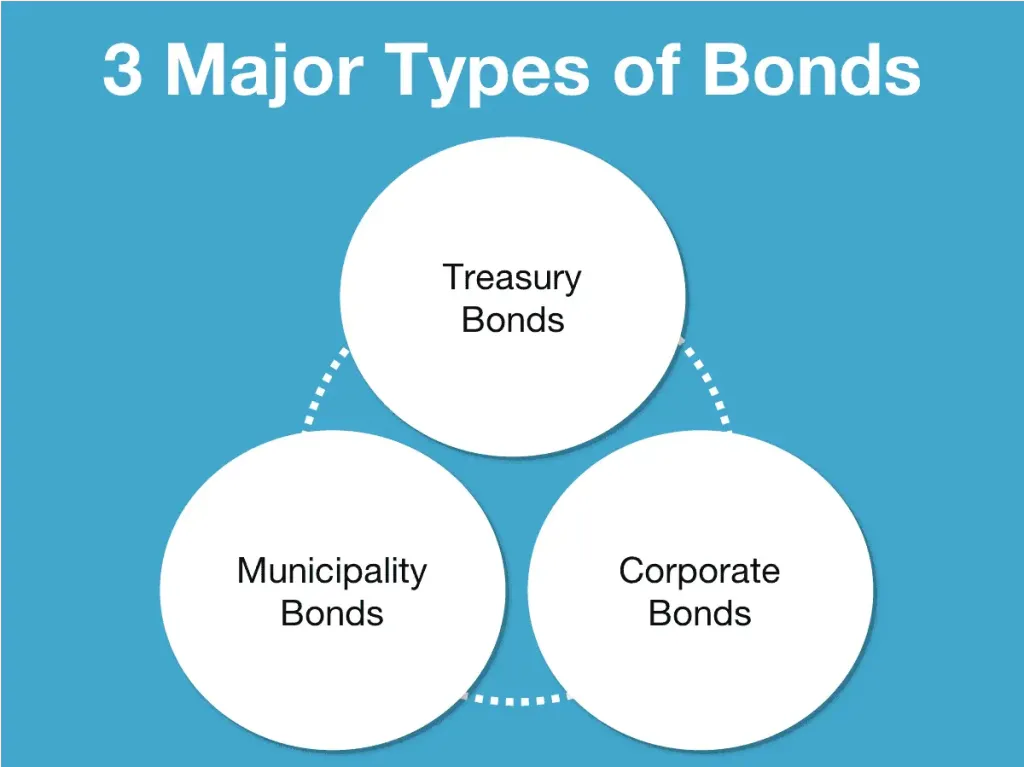
Understanding the different types of bonds is fundamental to navigating the bond market. Treasury bonds, issued by the government, are known for their safety and are backed by the full faith and credit of the issuing government, making them virtually risk-free from default. Municipal bonds, on the other hand, are issued by states, cities, or other local government entities and often offer tax-free interest income, making them particularly attractive to investors in higher tax brackets.
Corporate bonds are issued by companies and tend to offer higher yields compared to government and municipal bonds, reflecting the higher risk of default. International bonds, issued by foreign governments or corporations, introduce investors to opportunities and risks in global markets. The diversity among bond types allows investors to choose bonds that best fit their risk tolerance, investment horizon, and income requirements.
Benefits of Investing

One of the key benefits of investing in bonds is the generation of steady income. Bonds typically pay interest at regular intervals, providing a predictable income stream that is especially appealing to retirees and those seeking to stabilize their investment returns. This feature of bonds can help investors manage cash flow and plan their finances with greater certainty.
In addition to income generation, bonds offer an effective way to diversify an investment portfolio. Because bonds often move inversely to stocks, they can provide a buffer against market volatility, reducing the overall risk of an investment portfolio. This diversification benefit is crucial for building a balanced investment strategy that can weather different market conditions.
Risks Involved

While bonds are generally considered safer than stocks, they are not without risks. Interest rate risk is a primary concern for bond investors; as interest rates rise, existing bond prices typically fall. This inverse relationship can lead to capital losses for investors who need to sell bonds before maturity in a rising interest rate environment.
Credit or default risk is another significant consideration, particularly for corporate bonds. This risk refers to the possibility that the bond issuer will be unable to make interest payments or repay the principal at maturity. Bonds with lower credit ratings offer higher yields to compensate for this increased risk, but they also pose a greater chance of loss to the investor.