
Contents
Upskilling And Continuous Learning

In an ever-evolving global economy, staying relevant in the job market is crucial. Economic downturns often lead to job losses, and those with a diverse skill set tend to fare better in such scenarios. Upskilling isn’t just about job security; it’s about seizing new opportunities and adapting to changing industries and roles.
Several platforms offer courses, certifications, and training in a wide range of fields today. From digital marketing to coding to project management, there’s a world of knowledge available at one’s fingertips. Pursuing new skills or honing existing ones not only enhances employability but also offers potential avenues for side incomes. In uncertain economic times, having multiple income streams or the ability to pivot into a different role or industry can make all the difference.
Insurance: Protecting Against The Unexpected

Insurance plays a critical role in offering a safety net during unforeseen circumstances. From sudden health issues to property damage to life’s most unexpected turns, insurance can help cushion the financial blow. In the face of economic uncertainty, being insured ensures that sudden costs do not derail long-term financial plans or lead to insurmountable debt.
Choosing the right insurance is as important as having insurance itself. With myriad products available in the market, it’s essential to select those that cater to individual needs and situations. Health insurance should cover a broad range of scenarios, property insurance should account for local risks like floods or earthquakes, and life insurance should be calibrated based on familial financial needs. Regularly reviewing and adjusting insurance coverage ensures that it remains relevant and offers the necessary protection.
Adopting A Flexible Financial Plan

Economic landscapes can change rapidly, making it essential for financial plans to be adaptable. Rigid plans, crafted only for sunny days, might crumble when storms hit. A flexible financial strategy accounts for both best-case and worst-case scenarios, providing guidance no matter the economic weather.
Crafting such a plan involves setting clear goals, identifying potential risks, and creating contingencies for those risks. For instance, if a primary source of income disappears, what alternative revenue streams can be tapped? If an investment isn’t performing as expected, at what point should it be reviewed or divested? These proactive questions allow for swift and informed decisions, ensuring that unexpected economic changes don’t lead to financial paralysis.
Practicing Frugality And Mindful Spending
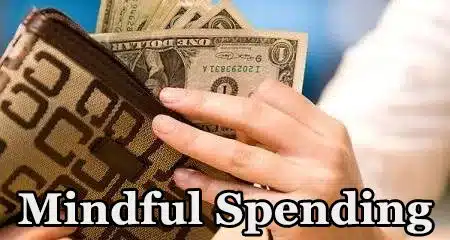
In a world of instant gratifications and endless consumer temptations, practicing frugality might seem old-fashioned. However, mindful spending can be a financial lifeline during challenging times. By distinguishing between wants and needs, individuals can optimize their expenses, leading to significant savings without compromising on quality of life.
Frugality isn’t about denying pleasures or living a spartan life. It’s about making conscious choices, valuing quality over quantity, and understanding the long-term implications of spending habits. For example, opting for durable goods over cheaper, less durable alternatives might cost more upfront but will save money in the long run. Embracing a frugal mindset can free up resources for more meaningful experiences, investments, and financial security.
The Bottom Line
Facing economic uncertainty can be daunting, but with the right preparation, it becomes a challenge rather than a crisis. By understanding economic patterns, building safety nets, and making informed decisions, individuals can navigate the stormiest financial seas. Remember, it’s not just about weathering the storm but setting sail towards a more secure financial future.