
Investing is a crucial step toward financial security and wealth accumulation, yet many hesitate to start, believing substantial initial capital is required. This misconception overlooks the power of starting small and the compounding benefits over time. With the right approach, even modest amounts can grow into significant investments. This guide demystifies the process, offering practical steps for those with limited funds to begin their investing journey. It underscores the importance of starting early, setting realistic goals, and utilizing innovative financial tools designed for small investors.
Contents
Understanding Your Financial Position

The first step in investing, even with minimal funds, involves a thorough assessment of one’s current financial health. This means taking stock of income, expenses, debts, and savings. Identifying how much money is coming in and going out each month is critical. It’s equally important to pinpoint areas where expenses can be reduced. This freed-up cash can then be allocated toward investments. Crafting a budget isn’t just about cutting back; it’s about strategically managing money to allow for investment opportunities, no matter how small.
Taking the time to establish an emergency fund is also part of understanding one’s financial position. Before channeling funds into investments, ensuring that there is a financial safety net for unforeseen expenses is vital. An emergency fund prevents the need to withdraw investments prematurely, which can compromise the benefits of compound interest and market growth. Ideally, this fund should cover three to six months of living expenses, serving as a foundation upon which a stable investment strategy can be built.
Setting Realistic Investment Goals

Setting goals is a fundamental part of the investment process. These goals should be specific, measurable, achievable, relevant, and time-bound (SMART). For someone starting with a small amount, goals might include saving for a rainy day, accumulating a down payment for a home, or building a retirement nest egg. Each goal will dictate the type of investments that are most suitable. For example, short-term goals may require more liquid and less volatile investments than long-term goals, which can benefit from the higher potential returns of the stock market.
Understanding the risk tolerance and investment horizon is critical when setting goals. Risk tolerance refers to the degree of market volatility an investor is willing to endure, while the investment horizon is the expected timeframe until the investment is needed. Those with a low risk tolerance or a short investment horizon might consider more conservative investments, such as high-yield savings accounts or certificates of deposit. In contrast, those with a higher tolerance for risk and a longer horizon might explore stocks, mutual funds, or exchange-traded funds (ETFs).
Learning About Different Types Of Investments
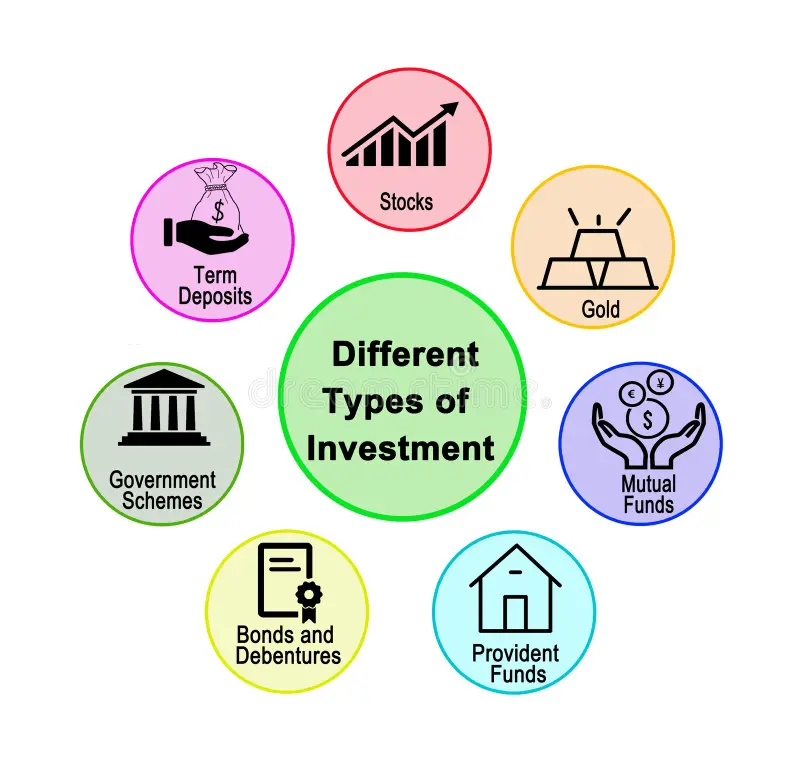
An informed investor is an empowered one. Familiarizing oneself with the different types of investment options is crucial. Stocks represent ownership in a company and can offer high returns, but they come with higher risk due to market volatility. Bonds, on the other hand, are considered safer as they are loans to the government or corporations, paying back with interest over time. Mutual funds and ETFs allow investors to buy a diversified portfolio of stocks and bonds in a single transaction, making them ideal for those starting with smaller amounts.
For those with limited funds, understanding the benefits of ETFs can be particularly valuable. ETFs are known for their low expense ratios and flexibility, as they can be bought and sold like individual stocks. This flexibility, combined with the diversification they offer, makes them an attractive option for novice investors. Moreover, many brokerages now offer fractional shares, allowing investors to buy a portion of an ETF or stock, making it easier than ever to start investing with minimal funds.
Starting Small With Robo-Advisors And Micro-Investment Platforms

Robo-advisors and micro-investment platforms have revolutionized investing, making it accessible to everyone, regardless of the initial investment amount. These digital platforms use algorithms to manage investments based on the user’s risk tolerance and goals. They offer an easy entry point for beginners by automating the investment process, reducing the need for extensive financial knowledge. Many of these platforms allow users to start investing with just a few dollars, enabling regular, small contributions through features like round-ups from purchases or automatic transfers.
The appeal of micro-investment platforms lies in their ability to help individuals build investment habits. By simplifying the investment process and making it more accessible, these platforms encourage consistent investment over time, even if the amounts are small. This approach aligns perfectly with the principle of dollar-cost averaging, where investing regular amounts over time can potentially lower the average cost of investments in volatile markets. For those with limited funds, these platforms offer a pathway to participate in the financial markets and grow their wealth incrementally.