
Managing your entire financial life is now as simple as reaching into your pocket—no queues, no paperwork, just a few taps on your smartphone. Welcome to the transformative world of mobile banking, a technological marvel that has revolutionized how people interact with their money. In today’s fast-paced digital age, the ability to conduct financial transactions on-the-go is not just a luxury; it’s a necessity. From paying bills to transferring funds, mobile banking offers a plethora of features designed to make life easier. But with convenience comes the responsibility of ensuring that your money is secure.
Contents
The Rise Of Mobile Banking
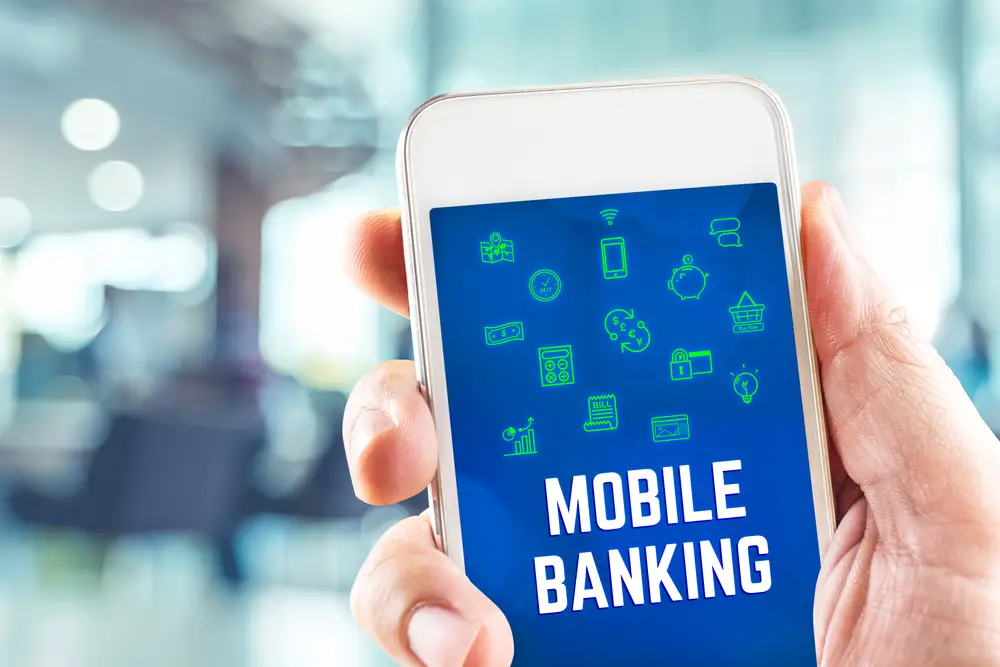
The transformation from traditional banking methods to digital platforms has been nothing short of revolutionary. Gone are the days when people had to visit a bank for every little transaction. According to a recent survey, over 75% of Americans now use mobile banking for their financial needs. This shift has not only made banking more accessible but has also opened up a range of features and services that were previously unimaginable.
The financial industry has been quick to adapt to this change, investing heavily in mobile technology. Banks are now offering sophisticated apps that provide a seamless user experience, complete with advanced features like biometric security and AI-based financial advice. This surge in mobile banking is not a trend but a significant shift in how financial transactions will be conducted in the future.
Why You Should Consider Mobile Banking

The allure of mobile banking lies in its unparalleled convenience and accessibility. Imagine being stuck in traffic and remembering that you forgot to pay your electricity bill. With a mobile banking app, you can complete the transaction within minutes without any hassle. Features like mobile check deposits, instant transfers, and even investment options are now at your fingertips, making financial management easier than ever.
But it’s not just about convenience; it’s also about being responsible. Mobile banking is a step towards a more sustainable future. By going paperless, you’re not only making your life easier but also contributing to environmental conservation. Digital statements, online transfers, and e-bills are small steps that make a big difference in reducing your carbon footprint.
Setting Up Your Mobile Banking App

Before diving into the world of mobile banking, it’s crucial to choose a reputable bank that offers a secure and feature-rich mobile app. Always download the app from trusted sources like the App Store or Google Play to ensure you’re getting the genuine application. The initial setup usually involves linking your bank accounts and setting up a strong, unique password to protect your financial information.
Once the app is installed and your accounts are linked, take some time to familiarize yourself with its features. Most apps offer a tutorial or guide to help you navigate through the various options. Make sure to enable security features like two-factor authentication and biometric login for added protection. This initial setup may take some time, but it’s a small investment for long-term convenience and security.
Security Measures To Take

Security should be your top priority when using mobile banking apps. Always enable two-factor authentication, which usually involves receiving a code on your mobile number or email that you’ll need to enter along with your password. This adds an extra layer of security, making it difficult for unauthorized users to access your account.
Biometric features like fingerprint or facial recognition offer another level of security. These features are hard to replicate, providing a robust defense against potential intruders. Additionally, make it a habit to regularly update your mobile banking app. Banks often release security patches to fix vulnerabilities, and keeping your app updated ensures that you’re protected against any known issues.