

The Fear of Missing Out (FOMO)

The Fear of Missing Out, commonly known as FOMO, is a pervasive psychological phenomenon that can significantly impact financial decisions. Social media platforms amplify this fear by showcasing others’ investment successes or lifestyle upgrades, creating a sense of urgency and inadequacy. This can result in impulsive decisions, such as jumping on investment trends without adequate research or making large purchases to keep up with perceived social standards.
The financial repercussions of FOMO-driven decisions can be severe, including debt accumulation and investment losses. To counteract FOMO, developing a strong sense of individual financial goals and priorities is crucial. Instead of being swayed by external influences, focus on what is genuinely important for your financial well-being. Setting long-term objectives and sticking to a well-thought-out financial plan can help mitigate the effects of FOMO.
The Availability Heuristic
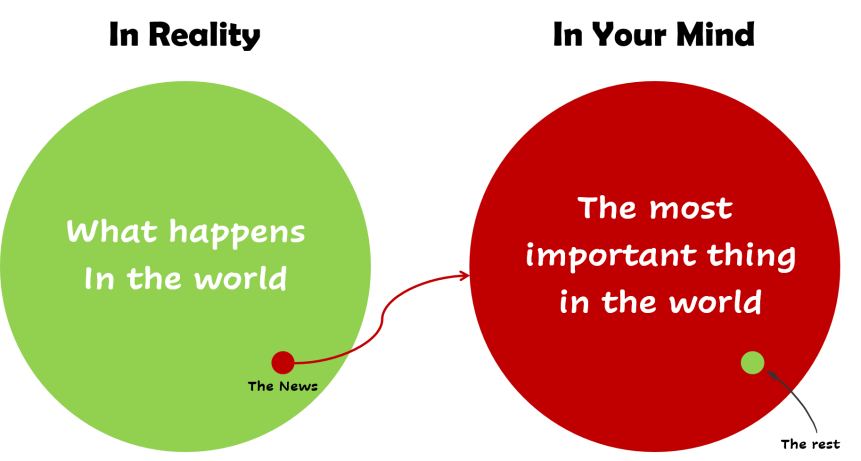
The availability heuristic is a mental shortcut that relies on immediate examples that come to mind when evaluating a specific topic or decision. This can lead to poor decisions based on recent events or experiences in financial contexts. For example, suppose someone hears about a friend’s successful investment in cryptocurrency. In that case, they might be inclined to invest heavily in it themselves, ignoring the risks and volatility associated with such assets.
Mitigating the availability heuristic involves seeking diverse information sources and taking a more comprehensive view of the situation. Before making any significant financial decisions, it’s advisable to consult various sources of information, including historical data and expert opinions. This broader perspective can help individuals make more informed and rational financial choices, reducing the influence of recent events or anecdotal experiences.
The Confirmation Bias

Confirmation bias is the tendency to search for, interpret, and remember information in a way that confirms one’s preexisting beliefs or values. In financial decisions, this can lead to ignoring red flags or failing to consider alternative options, resulting in poor financial outcomes. For instance, an investor might only read articles that confirm their positive view of a particular stock, ignoring any negative news or indicators.
Overcoming confirmation bias requires a conscious effort to challenge one’s own beliefs and seek out differing opinions. Before making a financial decision, it’s beneficial to consult various sources and viewpoints. Being open to contradictory information provides a more balanced view and prepares one for various potential outcomes, making for more robust financial planning.
The Endowment Effect
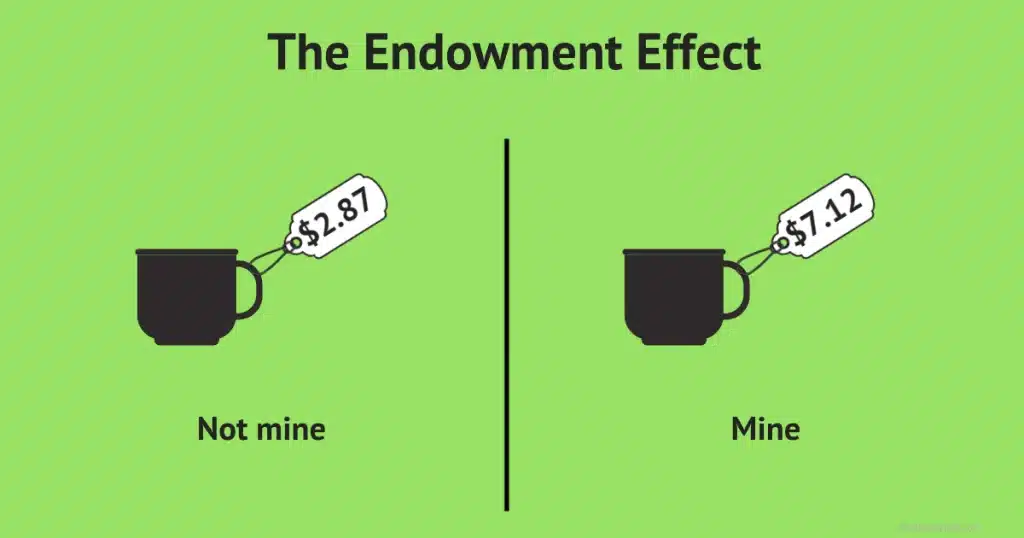
The endowment effect is a cognitive bias that makes people overvalue what they own, affecting decisions about selling assets or possessions. For example, a homeowner might set an unrealistically high selling price for their property simply because they have emotional attachments or have invested in home improvements.
One can view possessions and investments from an outsider’s perspective to counteract the endowment effect. Consulting third-party valuations and considering the market conditions can provide a more objective basis for decision-making. It’s also helpful to separate emotional attachment from the actual value of an asset, allowing for more rational financial choices.
The Bottom Line
Understanding the psychological traps influencing financial decisions is crucial for long-term financial well-being. From the role of emotions to various cognitive biases like the sunk cost fallacy, anchoring effect, and overconfidence, being aware of these pitfalls can significantly impact the quality of financial choices one makes. The first step in mitigating these effects is awareness, followed by active strategies to counteract them. By taking a more informed and rational approach, individuals can successfully navigate the complex world of financial decision-making, ensuring a more secure and prosperous future.