Building an emergency fund is a critical step towards achieving financial security. This fund acts as a safety net in times of unexpected expenses, such as medical emergencies, job loss, or urgent home repairs. The process of accumulating a substantial reserve might seem daunting; however, with the right approach, it can be achieved effortlessly. This blog post outlines practical steps to guide readers through the process of establishing a solid emergency fund, ensuring they are prepared for life’s unforeseen events.
Contents
Understanding Your Emergency Fund
An emergency fund is essentially a financial buffer designed to cover unexpected expenses without the need to incur debt. The significance of this fund lies in its ability to provide financial stability during times of crisis. It serves as a protective barrier, safeguarding individuals and families against the financial strain of unforeseen circumstances. Determining the size of an emergency fund is a crucial first step. This requires a careful evaluation of monthly living expenses, personal financial obligations, and lifestyle choices. A general recommendation is to aim for a reserve that can cover three to six months’ worth of expenses, though the exact amount may vary depending on individual circumstances.
The process of building an emergency fund begins with a clear understanding of its purpose. It’s not merely about saving money but about ensuring peace of mind and financial security. To effectively accumulate this fund, it’s essential to assess one’s financial situation comprehensively. This includes analyzing income streams, monthly expenditures, existing savings, and debts. Such an assessment provides a realistic overview of financial health, highlighting areas where adjustments can be made to redirect funds towards the emergency reserve.
Assessing Your Financial Situation
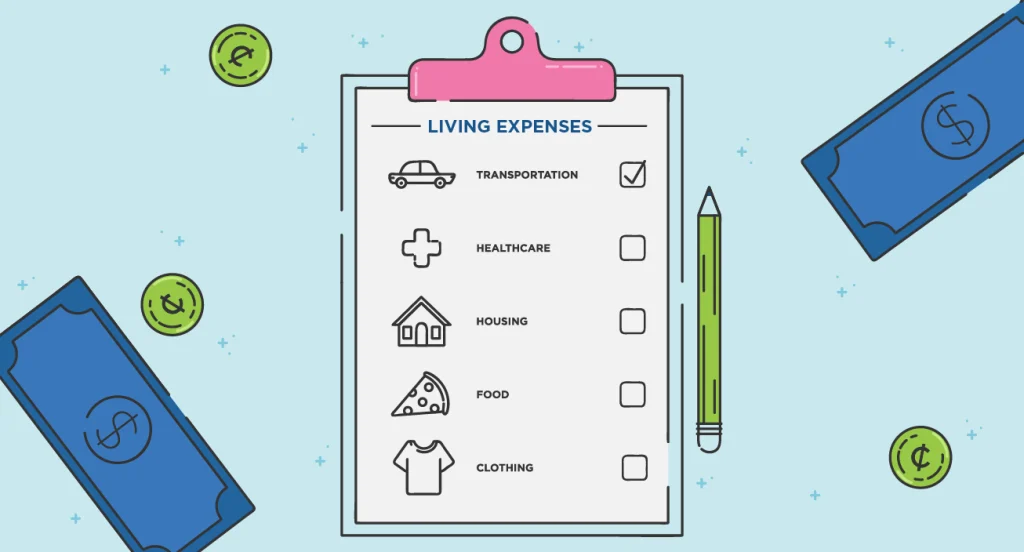
The cornerstone of building an emergency fund is a thorough assessment of one’s current financial standing. This involves a detailed examination of income, expenses, and debts. Understanding where money comes from and where it goes each month is crucial. It becomes easier to identify areas for potential savings or reallocation towards the emergency fund. For example, recurring subscriptions or discretionary spending can often be reduced without significantly impacting one’s quality of life.
Creating a comprehensive budget is an indispensable tool in this assessment. It not only helps in tracking monthly expenses but also in setting realistic savings goals. A budget should include all sources of income and list all fixed and variable expenses. By doing so, it becomes possible to spot unnecessary expenditures that can be cut. Allocating a portion of the savings to an emergency fund gradually builds the reserve. The key is consistency and a commitment to redirecting funds saved from budget cuts to the emergency fund.
Setting Realistic Goals
Setting realistic and achievable goals is fundamental to the success of building an emergency fund. This step involves determining how much money should be saved and establishing a timeline for achieving this target. Goals should be specific, such as saving a certain dollar amount, and tied to a clear timeframe, for example, within a year. This clarity motivates consistent saving and makes the process measurable.
Achieving these goals requires a balance between ambition and practicality. Setting the bar too high may lead to frustration and potentially derail the effort. Conversely, goals that are too easily attainable might not provide the necessary financial cushion in an emergency. An effective strategy is to start with a modest target, such as saving for one month’s worth of expenses, and gradually increase the goal as saving becomes a more ingrained habit. This approach fosters a sense of achievement and momentum, making the overall objective seem more attainable.
Strategies For Saving
Effective saving strategies are pivotal in building an emergency fund. One highly recommended approach is automating transfers to a savings account, ensuring a portion of income is saved before it can be spent on non-essential items. This method not only simplifies the saving process but also reinforces the habit of saving regularly. Additionally, exploring high-yield savings accounts or money market accounts for storing the emergency fund can optimize earnings through interest, making the fund grow faster without additional effort.
Another strategy involves scrutinizing monthly expenditures to identify areas where costs can be reduced. Small changes, such as dining out less frequently, opting for less expensive entertainment options, or canceling underused subscriptions, can free up substantial amounts of money. These savings should then be redirected into the emergency fund. It is important to review these spending habits periodically and adjust as necessary to ensure the best possible savings rate. The key is to find a balance between living comfortably and saving efficiently.
Increasing Your Income
To accelerate the growth of an emergency fund, finding ways to increase income can be highly effective. This might involve seeking opportunities for overtime at work, taking on a part-time job, or exploring freelance projects. Selling items no longer needed or used can also provide a quick boost to the emergency fund. Every additional dollar earned and saved brings one closer to reaching the desired emergency fund target.
Dedicating new income streams specifically to the emergency fund can significantly speed up the saving process. It’s crucial, however, to maintain a disciplined approach to ensure that these additional funds are saved rather than spent. This may require a mindset shift, viewing extra income not as an opportunity for increased spending but as a means to secure financial stability. Consistently applying extra earnings to the emergency fund can make a noticeable difference in its growth over time.
Managing And Minimizing Debt
Effectively managing and minimizing debt is crucial in freeing up more income for an emergency fund. High-interest debts, such as credit card balances, can severely hamper one’s ability to save. Implementing a strategy to pay down these debts more quickly, possibly by focusing on the highest interest rates first, can reduce the amount paid in interest and increase the funds available for emergencies.
Avoiding new debts is equally important in the process of building an emergency fund. Opting to pay with cash or a debit card instead of a credit card for purchases can prevent the accrual of additional debt. It’s also beneficial to establish an emergency fund as a buffer against future debts; having savings to cover unexpected expenses eliminates the need to borrow money, thereby preventing new debt from accumulating.
Reviewing And Adjusting Your Plan

Regular reviews and adjustments of one’s plan to build an emergency fund are necessary to adapt to changing financial circumstances. Life events such as a change in employment, living situation, or family size can significantly impact one’s financial situation and necessitate adjustments to saving strategies and goals. Periodic reviews help ensure that saving for an emergency fund remains a priority and that the strategies employed are still effective.
Adjustments might include increasing the monthly saving amount as income rises or cutting back on non-essential expenditures to maintain savings contributions during tougher financial times. The flexibility to adapt one’s saving strategy ensures that progress toward building an emergency fund continues, regardless of life’s uncertainties. It’s this adaptability that can make the difference between a stalled effort and a fully-funded emergency reserve.
The Bottom Line
In summary, building an emergency fund is an essential step towards financial stability and peace of mind. It requires a clear understanding of one’s financial situation, setting realistic goals, employing effective saving strategies, increasing income where possible, managing and minimizing debt, and regularly reviewing and adjusting one’s plan. The process may seem challenging at first, but through consistent effort and disciplined saving, it is entirely achievable. The peace of mind that comes from having a financial safety net is invaluable, providing security in the face of life’s unpredictable events.