
Sustainable living often conjures images of costly investments like solar panels or high-end organic products. However, adopting an eco-friendly lifestyle doesn’t necessarily require a hefty budget. This post delves into practical ways to embrace sustainability without straining finances. From food choices to energy savings, it’s possible to make impactful changes that benefit both the planet and personal savings. The journey towards a greener life is not just for the affluent; it’s an accessible path for everyone who wants to make a difference.
Understanding Sustainable Living
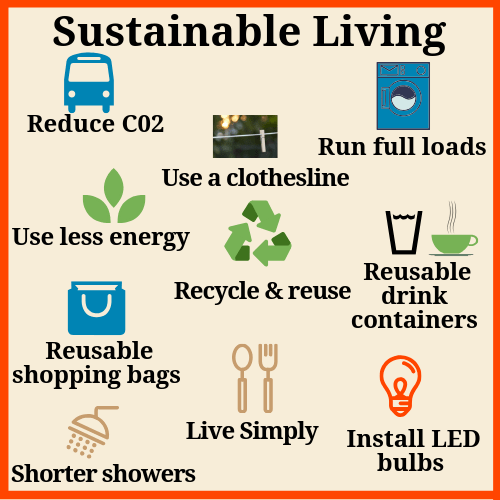
Sustainable living involves making choices that minimize environmental impact and promote a healthier planet. It’s about understanding the interconnectedness between daily actions and their long-term effects on the environment. This lifestyle emphasizes conservation, reducing waste, and opting for renewable resources. It’s a commitment to living in a way that supports the Earth’s ecosystems, ensuring resources are available for future generations. By adopting sustainable practices, individuals contribute to a larger movement that seeks to balance human needs with environmental stewardship.
A common belief is that sustainable living is synonymous with higher expenses. However, this is a misconception. Many eco-friendly practices are not only cost-effective but can lead to significant savings over time. For example, reducing energy consumption or minimizing waste can lower monthly bills. Moreover, sustainable living encourages a mindset of mindful consumption, where quality and longevity of products are valued over quantity. This shift in perspective often leads to more thoughtful spending, avoiding unnecessary purchases, and thus saving money.
Budget-Friendly Sustainable Food Choices

Shopping for food sustainably while on a budget starts with focusing on local and seasonal produce. Purchasing fruits and vegetables that are in season not only ensures fresher, more flavorful food but often comes with a lower price tag. Additionally, supporting local farmers’ markets can contribute to the local economy and reduce the carbon footprint associated with long-distance food transport. Choosing to buy in bulk can also be cost-effective, reducing packaging waste and allowing for better budget control through purchasing only what is needed.
Food waste is a significant issue with both financial and environmental implications. By planning meals ahead of time and storing food properly, one can drastically reduce the amount of food thrown away. Incorporating plant-based meals into the diet is another effective strategy. Plant-based ingredients typically cost less than meat and are more sustainable, requiring fewer resources to produce. By making these small changes in food purchasing and consumption habits, individuals can enjoy a sustainable diet that aligns with their budget constraints.
Energy Efficiency At Home

Reducing energy consumption at home is a straightforward way to live more sustainably and save money. Simple actions like switching to LED light bulbs, which use less energy and have a longer lifespan than traditional bulbs, can make a noticeable difference in electricity bills. Additionally, investing in a smart thermostat can help manage heating and cooling more efficiently, reducing energy use without compromising comfort.
DIY home insulation projects are another cost-effective way to increase energy efficiency. Sealing gaps around doors and windows, for instance, can prevent heat loss during winter, reducing the need for excessive heating. Regular maintenance of appliances and heating systems also ensures they are running efficiently, further cutting down on energy consumption. These measures not only contribute to a more sustainable household but also lead to long-term savings on energy costs.