The global economy is a complex and ever-changing landscape that affects everyone, from policymakers to the average consumer. With the rise of new technologies, geopolitical tensions, and environmental concerns, predicting the future of the global economy becomes increasingly challenging. This article aims to explore various aspects that could shape the future of the global economy, offering insights into trends and factors that are likely to have a significant impact. From the rise of digital currencies to the implications of climate change, this comprehensive guide delves into the intricacies of what’s in store for the global economic landscape.
Contents
The Rise of Digital Currencies
Digital currencies like Bitcoin and Ethereum have been making headlines for the past few years. These decentralized forms of currency challenge traditional banking systems, offering a new way to conduct transactions that bypass intermediaries. Adopting digital currencies is not just a trend but a significant shift that could redefine how global trade and finance operate.
Central Bank Digital Currencies (CBDCs) are also gaining traction, with countries like China and Sweden leading. These digital currencies, controlled by central banks, could offer a more stable and regulated form of digital asset. Integrating CBDCs into the global financial system could streamline cross-border transactions and potentially reduce the costs associated with currency exchange and international trade.
The Impact of Climate Change
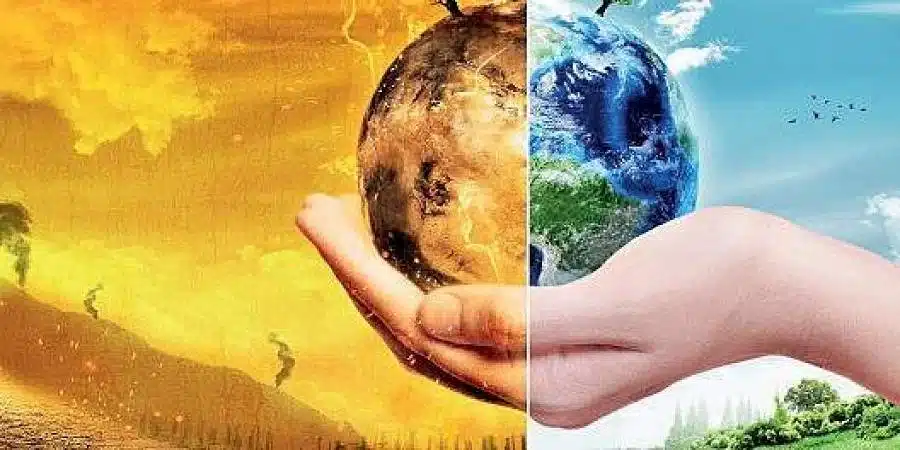
Climate change is no longer a distant threat but a pressing reality already affecting economies worldwide. The increasing frequency of natural disasters, such as hurricanes and wildfires, has a direct economic impact, disrupting local economies and global supply chains. The cost of these disasters is measured in the immediate damage and the long-term effects on infrastructure, agriculture, and human capital.
The transition to green energy is both a challenge and an opportunity for the global economy. While the initial costs of transitioning can be high, the long-term benefits include environmental sustainability and economic stability. Renewable energy sources are becoming more cost-effective, and the shift away from fossil fuels could open up new avenues for investment and job creation, albeit with a period of adjustment and re-skilling for certain sectors.
Geopolitical Tensions and Trade Wars
Geopolitical tensions are another factor that can’t be ignored when discussing the future of the global economy. The ongoing trade wars, particularly between the United States and China, have far-reaching implications. Tariffs and trade restrictions disrupt global supply chains, affecting the cost and availability of goods. This, in turn, can lead to inflation and economic instability, affecting both developed and developing nations.
The impact of geopolitical issues extends beyond trade wars. Political instability, conflicts, and sanctions can also have a significant economic impact. For instance, sanctions against countries can lead to a decrease in foreign direct investment and an increase in the cost of imports and exports. These factors contribute to economic volatility, making it crucial for businesses and investors to stay abreast of geopolitical developments.
Automation and Job Markets
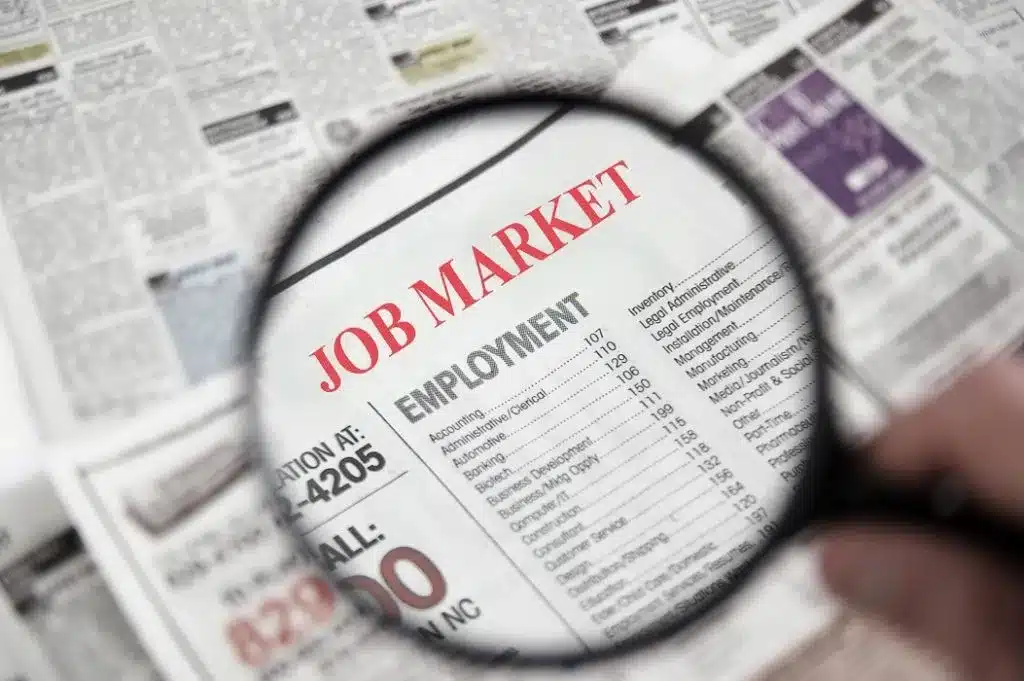
Automation and artificial intelligence are rapidly changing the landscape of employment. Industries such as manufacturing, logistics, and even healthcare are increasingly adopting automated systems, leading to a decline in the demand for certain types of labor. While automation can increase efficiency and reduce costs, it challenges the job market, particularly for low-skilled workers.
However, it’s not all doom and gloom. Automation also creates opportunities for new types of employment. As certain tasks become automated, the focus shifts to roles that require human creativity, emotional intelligence, and problem-solving skills. This shift will necessitate re-skilling and educational reforms to prepare the workforce for the jobs of the future. The economic consequences of this shift are complex and will require proactive measures to ensure a smooth transition.
The Future of Remote Work
The COVID-19 pandemic has accelerated the adoption of remote work, forcing companies to rethink their traditional office setups. This shift has profoundly impacted commercial real estate, as demand for office spaces has decreased. Cities that were once bustling hubs of corporate activity are now facing a decline in property values, affecting local economies and tax revenues.
Yet, the rise of remote work also offers economic advantages. For companies, it means reduced overhead costs and the ability to tap into a global talent pool. For employees, it offers greater flexibility and the possibility of a better work-life balance. The long-term economic implications are still unfolding, but it’s clear that the shift to more flexible work environments is likely to persist, affecting everything from urban development to transportation and even the cost of living in major cities.
Inflation and Monetary Policies
Inflation is a growing concern for economies worldwide, affecting everything from consumer purchasing power to investment strategies. Rising prices for goods and services can lead to decreased consumer spending, slowing economic growth. Central banks worldwide are grappling with managing inflation through monetary policies, such as adjusting interest rates and implementing quantitative easing.
However, the effectiveness of these traditional monetary tools is increasingly being questioned. In a globalized economy, inflation doesn’t respect borders, and actions taken by one central bank can have ripple effects worldwide. Moreover, the rise of digital currencies poses new challenges for central banks in controlling inflation. As the landscape changes, new approaches to monetary policy may be needed to maintain economic stability.
Emerging Markets and Global Economic Balance

Emerging markets are becoming increasingly important players in the global economy. Countries like India, Brazil, and Nigeria are experiencing rapid economic growth, offering new opportunities for investment and trade. As these markets grow, they could shift the global economic balance, challenging the dominance of established economies like the United States and the European Union.
However, investing in emerging markets has risks, including political instability and less regulated financial systems. Moreover, as these economies grow, they face challenges such as income inequality and environmental degradation, potentially hindering their economic progress. Understanding emerging market dynamics is crucial for investors and policymakers as they navigate the shifting global economic landscape.
The Role of Government and Policy
Government policies play a pivotal role in shaping the economic landscape. From tax regulations to trade agreements, the decisions made by governments can either stimulate economic growth or create hurdles. For instance, policies encouraging innovation and entrepreneurship can create jobs and increase GDP. On the other hand, excessive regulation and taxation can stifle business activity.
International cooperation is also increasingly important for economic stability. No country is an island in a globalized world, and economic challenges often require coordinated efforts to solve. Whether combating climate change or regulating international trade, collaborative policy decisions are becoming more crucial than ever. Governments that can work together effectively are better positioned to navigate the complexities of the modern economic landscape.
The Bottom Line
In summary, the future of the global economy is influenced by a myriad of factors, each interconnected in complex ways. From technological advancements like digital currencies to pressing global issues like climate change and geopolitical tensions, understanding these variables is crucial for anyone concerned with economic trends. Automation and the changing nature of work also present challenges and opportunities, requiring adaptability and foresight. Meanwhile, the role of government policy and the rise of emerging markets add additional layers of complexity to the global economic outlook. As the world continues to evolve, staying informed and adaptable will be key to navigating the uncertain economic waters that lie ahead.